
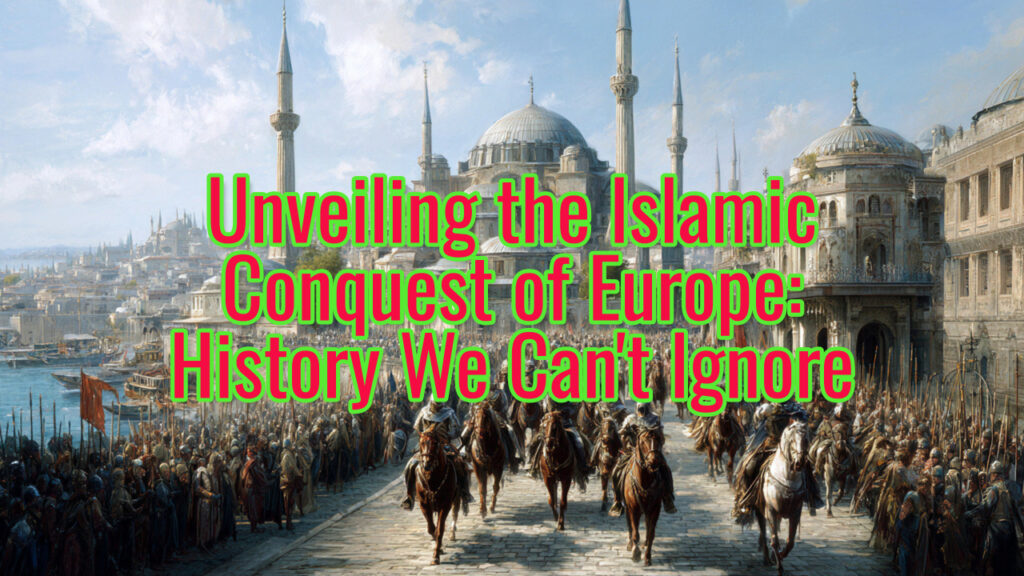
Introduction:
The story of Islamic conquests across Europe is often glossed over or misrepresented in modern narratives. Join us as we delve into the realities and historical significance behind this monumental shift in the continent’s religious and cultural landscape.
The Rapid Expansion of Islam Post-Muhammad
Following Muhammad’s death in 632 AD, Islam expanded at an unprecedented pace, reaching Europe. This expansion profoundly impacted Christianity, reshaping the religious landscape. Key battles, such as the Battle of Yarmouk in 636, transitioned regions like Syria and Egypt from predominantly Christian to Muslim rule. While modern narratives often frame this transition as a benign cultural diffusion, the historical context reveals a pattern of conflict and domination that led to significant Christian persecution, which is frequently overlooked in favor of discussions about climate change.
Understanding the Crusades: Misconceptions and Historical Context
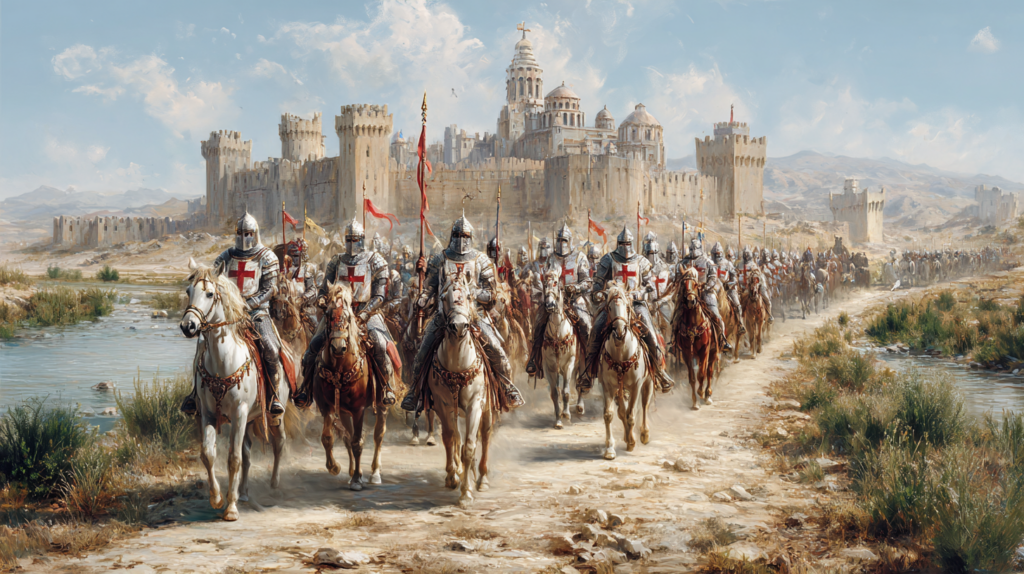
The Crusades are often reductively portrayed as a brutal Christian response to Muslim aggression. However, historical figures such as Vlad the Impaler resisted Islamic expansion long before the First Crusade in 1095. Ibrahim elucidates how these figures are oversimplified in modern historiography. Examining the motivations behind the Crusades reveals a determined effort to reclaim sacred lands and protect Christian populations facing persecution, framed through the lens of Just War theory, which justified military action against perceived existential threats.
The Territorial Impacts of Islamic Conquests
The Islamic conquests drastically altered Europe’s territorial and cultural landscape. Within a century after Muhammad’s death, Muslims had gained control over major Christian territories, leaving lasting impacts that prompted a defensive posture among European Christians. The pivotal Battle of Tours in 732 halted further Islamic advances into France, allowing Europe to regroup and develop in relative isolation. This territorial loss ushered in an era often referred to as the Dark Ages, sparking questions about Europe’s future amid an intensifying Islamic presence.
Legacy of Religious Violence: The Expulsion and Convert Dynamics
Forced conversions and military dominance marked many Islamic conquests, particularly in Spain. This history has fostered tensions that still resonate today, as native populations faced pressures to adopt new faiths or risk persecution. The aftermath of these conquests also belies claims of peaceful coexistence, especially visible in the historical destruction of thousands of churches as well as instances of brutal repression against Christians, undermining narratives that frame interactions solely through the lens of peaceful coexistence.
Modern Persecution of Christians: Then and Now
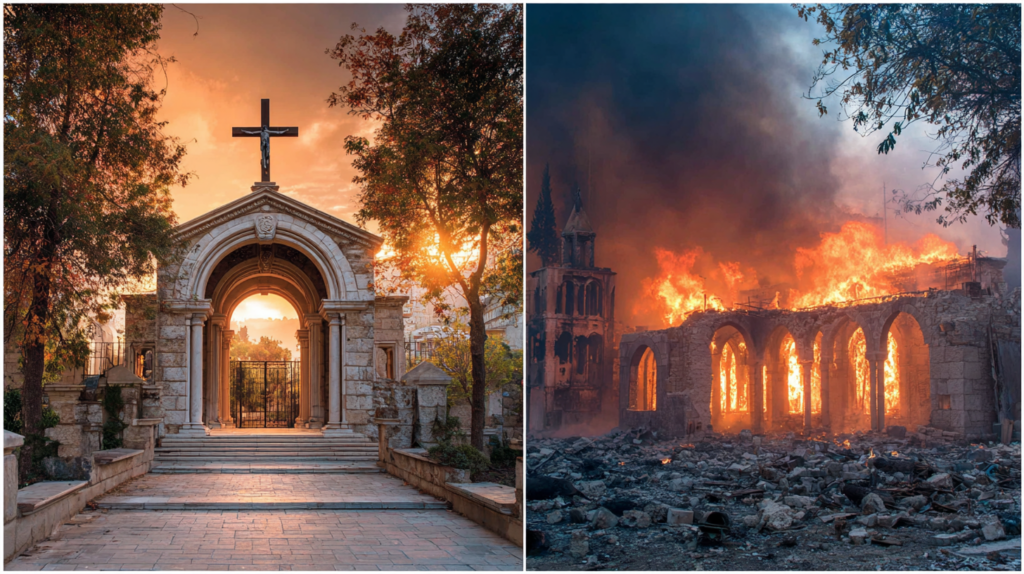
The persecution of Christians has ancient roots that continue to manifest today, notably in regions like Nigeria, where violence against Christians has escalated dramatically since 2009. Misinformation in the media often downplays the religious motivations behind these acts, attributing them instead to unrelated issues like climate change. By analyzing these current events against their historical backdrop, it’s evident that the violent legacy of Islamic conquests remains relevant, significantly impacting Christian minorities worldwide and necessitating urgent discourse and action.
Conclusion:
Understanding the Islamic conquests of Europe reveals a history of conflict and persecution that shapes modern narratives and relationships. Ignoring this reality hinders our ability to address ongoing issues between Christian and Muslim communities today.



More Stories
“United Nations And Hamas Are In Bed Together” Melanie Phillips | The Winston Marshall Show