

Why the obsession with a number?
There is a strange cultural pastime in Australia: chasing the earliest possible arrival date for the continent’s First Peoples. Over the past few decades the headline number has climbed from roughly 45,000 years to claims of 65,000, 80,000, and even a contested 120,000 years. Each incremental increase is treated like a big win, as if prehistory were a scoreboard and the higher the figure the stronger the claim to the land.
A quick timeline of the moving goalposts
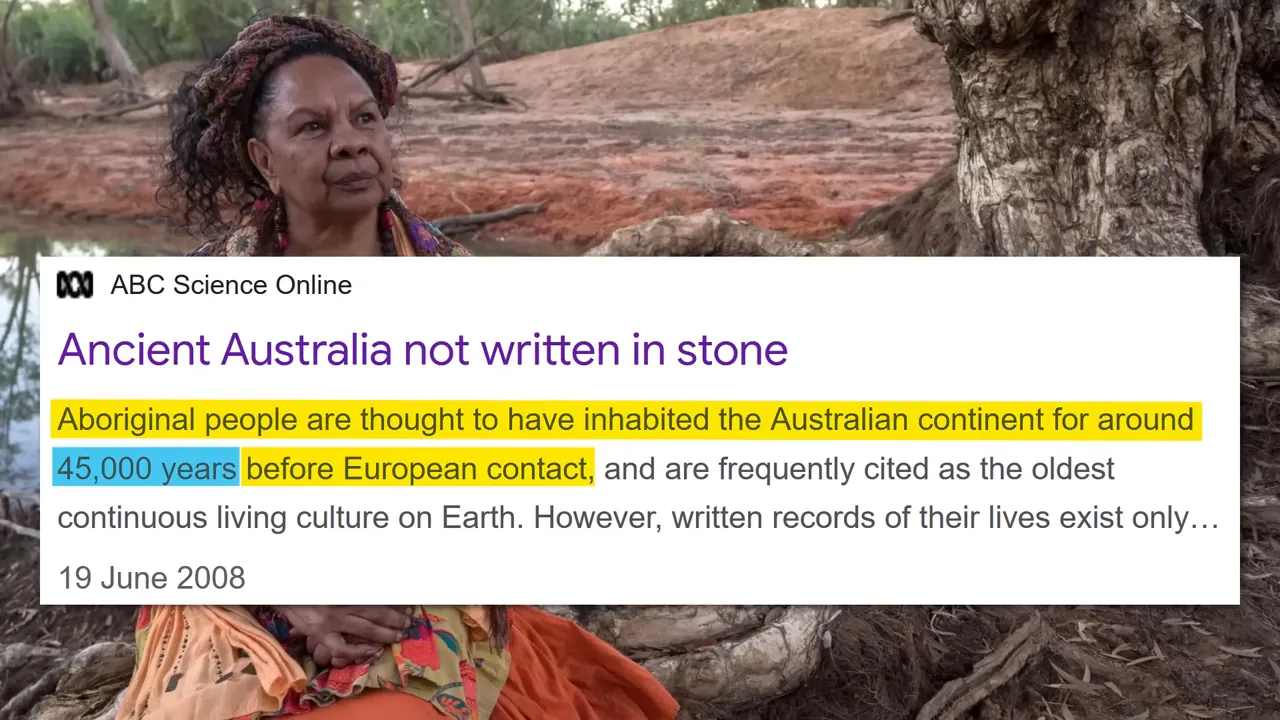
- 2008 reporting placed occupation at around 45,000 years ago.
- By 2011 DNA studies began pushing the figure beyond 50,000.
- Official statements and media pieces later referenced 60,000 and 65,000 years.
- Some headlines claimed 70,000 to 80,000 years based on fragments of evidence.
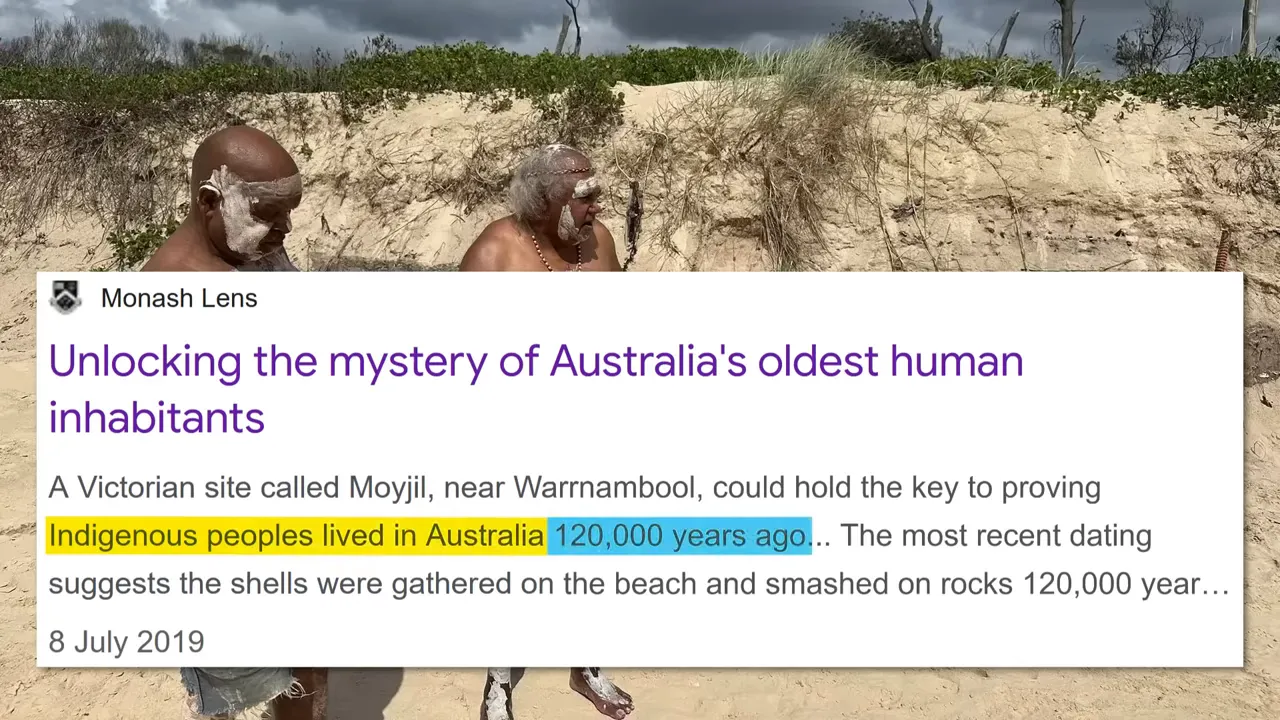
- In 2019 a controversial interpretation of coastal shells suggested up to 120,000 years, though authors admitted alternative explanations were plausible.
What these shifting dates actually mean
Numbers like 45,000, 65,000 or 120,000 years are not grand achievements to be tallied. They are scientific estimates derived from methods that have uncertainty: radiocarbon calibration, stratigraphy, luminescence dating, and genetic models. When a study nudges the clock forward by 10,000 years, it is usually a refinement in method, a new data point, or a reinterpretation of existing finds — not proof of a monumental historical accomplishment.
“It’s not an achievement. It’s a genetic lottery ticket. If you’re here today, it just means your ancestors survived.”
Why the media and politics amplify the changes
Several forces drive sensational headlines.
- Media incentives: Older dates make for stronger, attention-grabbing headlines.
- Scientific progress: New techniques and DNA studies can legitimately change estimates.
- Political symbolism: Longevity becomes shorthand for cultural authority, so an older date is sometimes used as moral currency.
- Public misunderstanding: The difference between a data point and a definitive timeline is often lost outside specialist circles.

Contradictory evidence and active debate
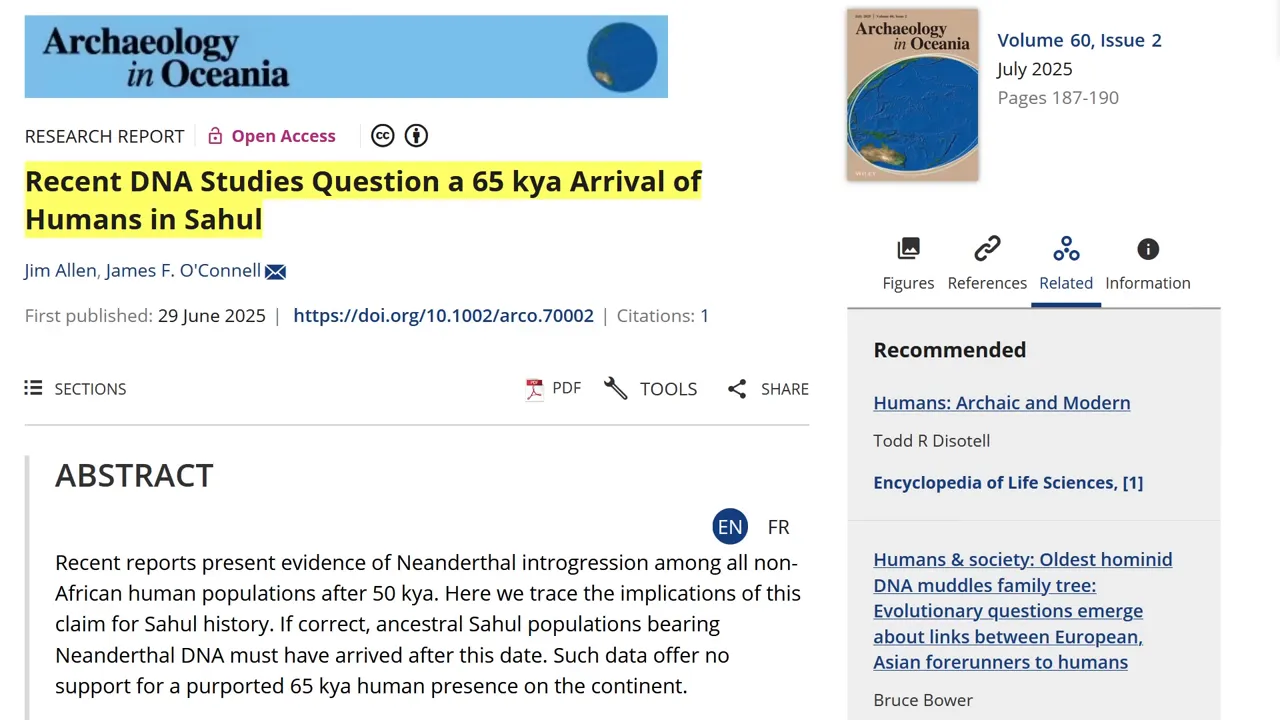
Scientific debate remains healthy and real. Not all evidence points the same way. For example, some DNA-based arguments suggest that interbreeding with Neanderthals occurred at a particular window after leaving Africa, which implies certain constraints on how early populations could have reached Sahul (the ancient Australia-New Guinea landmass). That kind of evidence has been used to argue against arrival dates earlier than roughly 50,000 years ago.
Case study: fire, desertification and the reinterpretation of practices
Twenty years ago, some researchers suggested early use of landscape burning by settlers could have helped push Australia’s interior toward aridity. Two decades later, cultural burning is widely praised as a sophisticated land-management practice used to reduce catastrophic fires and revive Country. This flip from blame to praise illustrates how interpretations shift as cultural and scientific contexts evolve.

How to read arrival dates responsibly
Keep a few simple ideas in mind:
- Dates are estimates: They change with new evidence and better methods.
- Longevity is not a trophy: Cultural continuity is meaningful, but its value does not depend on the exact number of years.
- Celebrate people, not just timelines: Rich cultural traditions, languages, and knowledge systems deserve recognition regardless of a numerical origin date.
- Look for nuance: Read both archaeological and genetic studies and pay attention to conflicting interpretations.
Why this conversation matters
Debates about how long First Peoples have lived on the continent can become symbolic stand-ins for broader discussions about identity, rights, and legitimacy. That makes it especially important to separate rigorous evidence from political theater. The resilience of a culture is not proven by a single ancient date; it is visible in living languages, knowledge systems, land care practices, and communities that continue to thrive.
A final thought
Pursuing the earliest possible arrival date is a valid scientific endeavor. But treating ever-older ages as victories or moral proofs misunderstands what those ages represent. They are pieces in a complex puzzle. Honouring First Peoples and acknowledging their enduring cultures is best done through respect, listening, and meaningful support — not scoreboard journalism.




More Stories
Analyzing Communism’s Failed Ideology and Its Legacy as a Unique Social Experiment.
Examining the rise and controversies surrounding gender ideology, focusing on its impact on society and traditional definitions of gender.
Canada’s DIRTY SECRET Makes Annexation Inevitable